Rest: when “doing” is doing more harm than good
Rest has quickly become my word of the year. For me and for many people I have spoken with lately, rest seems to be a challenging part of our lives. Many of us are tired, in pain or experiencing burnout but don’t feel we can stop. Especially as we are often taught that “doing” is productive or “idle hands create work for the devil”. Even my Duolingo has been dropping hints at me recently. Elle a besoin de repos. She needs some rest. Or Elle est allée se coucher. She has gone to lie down.
Despite my long-term goal to be a professional napper, the type of rest I am seeking is not only about getting a peaceful night’s sleep or a good nap. It is about experiencing physical, mental and emotional rest in order to feel energised, connected to self and others, and focused.
The knees of yesteryear
I have definitely entered a different phase of my life where the physical activities I do have changed and I am more conscious of ensuring I have adequate time to let my body rest and recover - the knees of yesterday are not the knees of today. This has allowed me to listen to or pay attention to my body in a slightly different way. I can embrace the changes in my body and have a better understanding of the early warning signs that my body needs support. Strength is not so much about pushing through anymore but finding fluidity in movement.
The court of public opinion
One of the great things about living at this time is that we have an abundance of information at our fingertips. One of the challenges is that we have an abundance of information at our fingertips. My recent Google or AI history would reveal a few rabbit hole explorations into some often interesting, occasionally ridiculous topics. The comments section of a social media post can become explosive and divisive from cats vs dogs to some of the biggest geopolitical issues facing us today. What does this do for our own fears, anxieties or doubts?
When do we have a chance to take a break, quieten the noise or listen to ourselves? As I have spoken about before, creating a morning routine is a great way to start the day with intention. Stretching, meditating, journalling before checking in on social media allows you to gauge how you feel and what you need before 1000 people tell you.
The C-suite of one
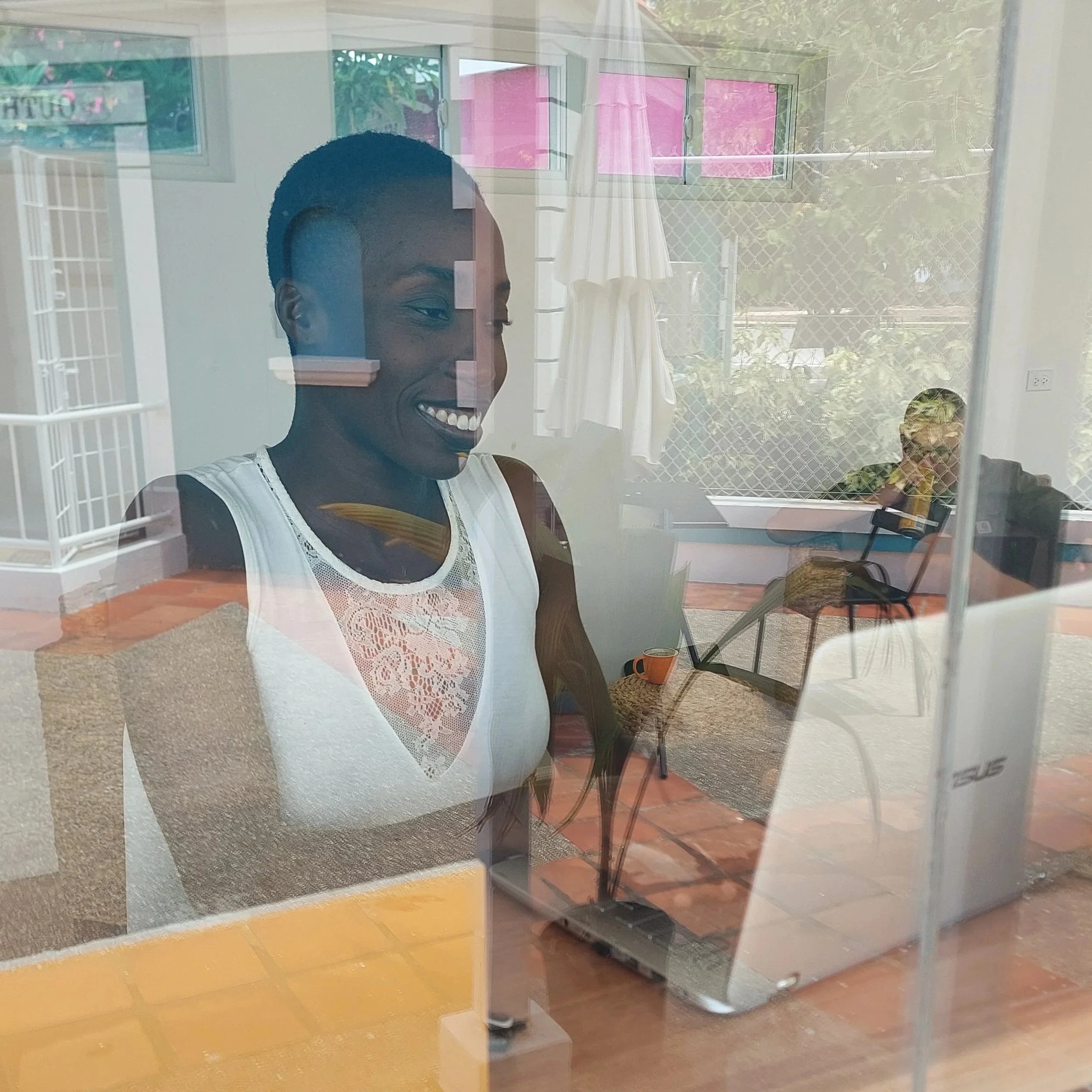
As a self-employed person, the word “rest” can often feel terrifying. Not only because you have clients or employees depending on you but also because as a small business owner, you often wear various hats to support the business and inspiration will strike at any time of the day or night. Switching off doesn’t feel like an option. Having a day off or taking a vacation can feel like alien concepts for my self-employed brothers and sisters but resting could be the best investment you can make for your business. Taking a step back allows you to feel energised, reinvigorated and better equipped to make decisions.
As a self-employed person in the holistic health space, there is an added layer of supporting clients through complex or traumatic life events whilst staying somewhat detached and grounded. In my practice, I build in buffer times between clients, cleansing the room and myself between sessions and at the end of the day to enable a reset.
Unfortunately, we can’t escape rest indefinitely. The effects of lack of rest are recurrent colds and flus, injuries, disturbed sleep patterns, digestive issues, irritability, burnout…How can you find more ways to rest? What tools do you need to make this happen? I invite you to explore three methods of rest over the next week. This could include sitting down and enjoying a cup of tea for 10 minutes, not checking social media before 9am or taking a day off. Rest because you can’t “catch up” on it. Rest because you deserve it. Rest because it is not a luxury but a necessity.