Soul In The Machine: Is AI Music The Beginning of the End?
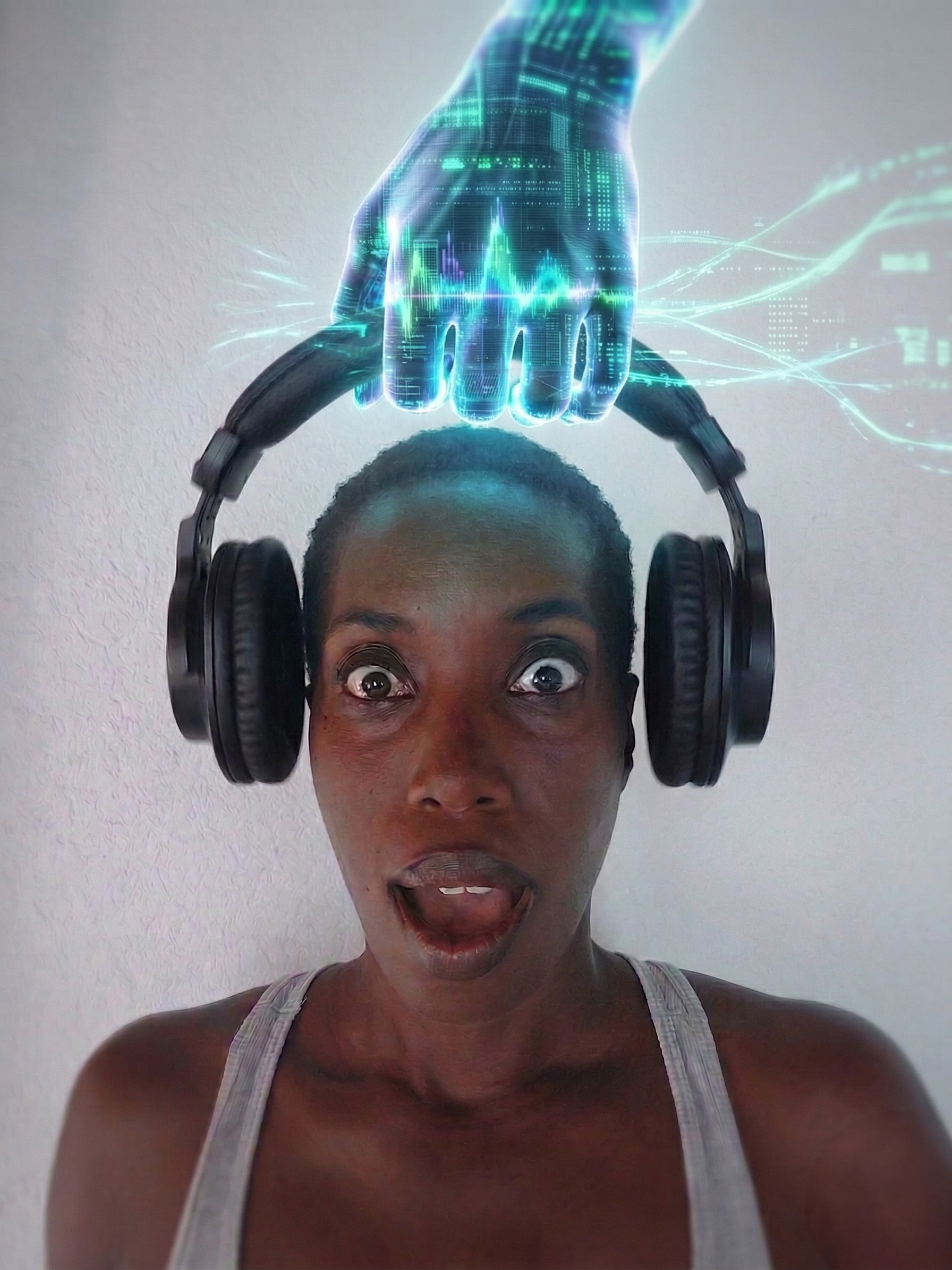
Most days, I log in to Spotify and dive into my Chill playlist. It is a collection of over 1300 songs built up over almost ten years. As the name suggests, the Chill playlist contains songs that have quite a slow, mellow tempo: Neo-Soul, R&B, soft rock, soul, reggae, jazz, classical, and indie. It is the type of music I can have in the background when I am doing light work.
Although I like listening to many modern artists, I have to admit that music that is classified as modern R&B or Alternative R&B (Alt-R&B), trap-soul or modern Neo-Soul often has a very similar sound. Modern vocalists also adopt comparable tones and textures to produce a smooth, polished, lazy Sunday morning vibe. Cleo Sol, Snoh Aalegra, Olivia Dean, Ella Mai, Sinéad Harnett, Mereba…I could go on. These queens are on heavy rotation in my playlist, and as much as I love their music, it is a very different listening experience from music made thirty years ago. The formulaic success of this music has also opened some ethical questions I have had to battle with.
Hi-Fi vs Lo-Fi
R&B of the 1990s or early 2000s was heavily influenced by Motown, 1970s funk and soul, as well as gospel music. Think Mary J. Blige’s What’s The 411?, It’s About Time by SWV or Brandy’s self-titled album. The sound was full, with a heavy mid-range focus and the vocals were layered with harmonies that created a “wall of sound” and grabbed your attention until the last note.
Alt-R&B by contrast intertwines low-fidelity (lo-fi) sounds, trap-style production and virtual instruments (VSTs) to create an ambient, almost ethereal sound. Minimalist vocal leads focus on simplicity rather than complex melodies and heavy compression is used in production to keep the singer’s voice at a consistent, almost meditative level. Like I said, it is the kind of music I can play in the background while I work because it is unobtrusive and relaxing.
Whitney Houston’s I Have Nothing, for example is the complete opposite to this style of production. Yes, I know Whitney is an unfair comparison but I am making a point.
(Side note: I recently saw a reel of a young man asking college students in the USA to identify a picture of Whitney Houston. One student called her “Britney Houston” and the rest didn’t have a clue. Parents/guardians, do better)!
The way we listen to music has also changed. Mixing has evolved from 2D stereo sound (left and right channels) to a 3D format like Dolby Atmos to create a more immersive sound for the listener. Plus, music is primarily made for streaming playlists, smartphones and noise-cancelling headphones not for car radios or boom boxes.
So, as I sit at my laptop listening to Spotify, it will often suggest songs or artists that I might be interested in based on recent searches or plays. Every so often, if an artist’s voice or a beat tickles my fancy, I will add one of those suggested songs to my Chill playlist and it will float around me as I work or go about my day. The artist or song has now become part of the soundtrack to my life, without much effort or thought, at least until recently.
Just One More Thing
Someone who often laments the “sameness” of modern singers recently asked me if I listened to an artist by the name of Sienna Rose. Her name sounded familiar and when I checked my Chill playlist, I did in fact have two of her songs saved. I was then told that there are many rumours that “she” is an AI-generated artist. I immediately put on my Columbo trench coat and started investigating. I went to her Spotify profile and looked at her EP and album covers, all of which have sultry, portrait images - nothing out of the ordinary. However, on closer inspection, they all had that slightly too-perfect tell-tale look that often signals AI-generated imagery.
She seemed to have released a large body of music in a very short space of time: two EPs and two albums within four months! I could only find two featured artists on her work: Let Babylon Burn, who according to their Spotify profile, is a “roots driven storyteller”, and Imani Dawn, who was apparently born in Texas.
Like Sienna Robot, I mean Rose, they have almost no social media presence, have not performed live and have not given any interviews. The final nail in the AI-generated coffin came from the music streaming app Deezer which concluded "many of her albums and songs on the platform are detected and flagged as computer-generated.” BBC
The realisation of this revelation unfolded in front of me in slow motion. First of all, despite me warning my mum about the perils of falling for AI on social media, I had fallen for it myself. I had the lyrics engrained in my brain to prove it.
I would consider myself to be a musicophile. I am a sound therapist and I had no idea whatsoever that at least two songs in my playlist were computer-generated. Why? Because the song expertly mimics the format of Alt-R&B or modern Neo-Soul: a rounded 808 sub-bass, light, whispery vocals and ethereal harmonies. There is a slight hiss to make it reminiscent of a vinyl record, creating an intimate sound.
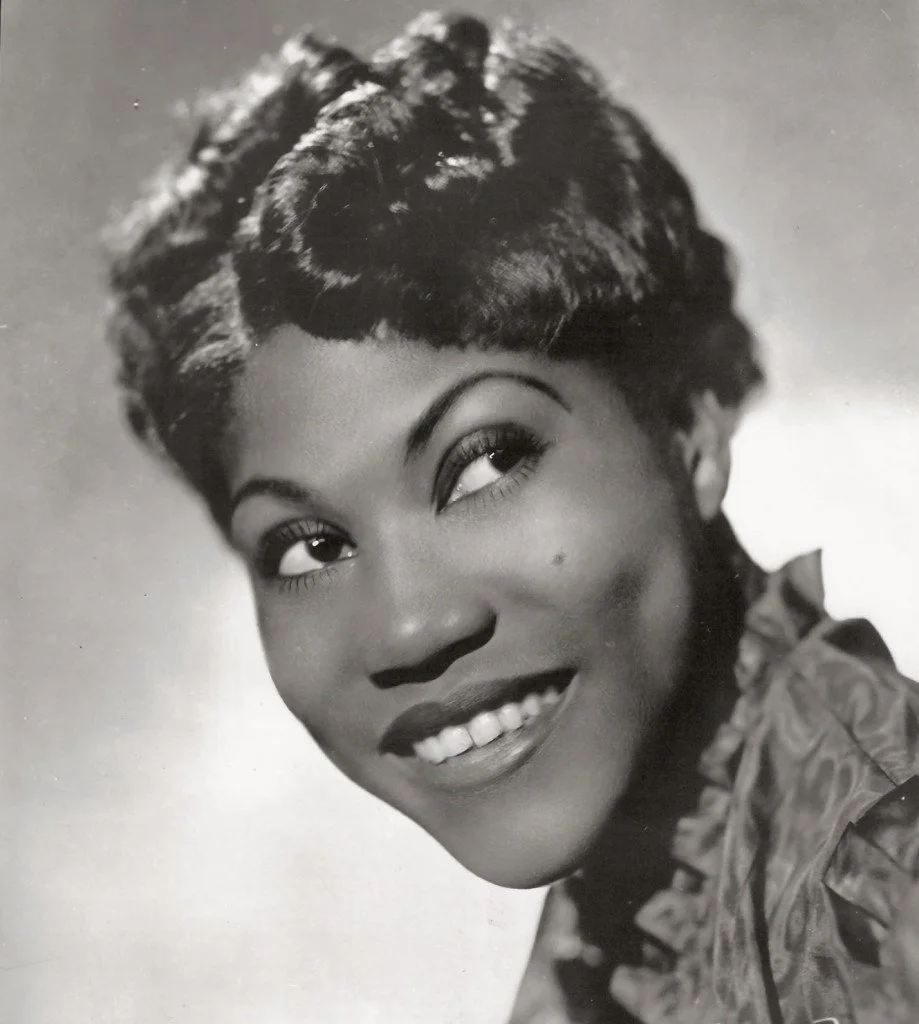
Sister Rosetta Tharpe
Intelligent Cultural Appropriation
After I got over the initial shock, I had some deeper concerns. Sienna Rose, Imani Dawn and Let Babylon Burn all represent genres of music rooted in Black culture. It is music that is influenced by cultures and histories tied to oppression and revolution, segregation and civil rights. There is also a long-standing history of Black artists not being fairly compensated or recognised for their music.
The South African musician and composer Solomon Popoli Linda, penned the 1939 song Mbube. In 1961, the American band the Tokens, recorded the song in English and titled it, "The Lion Sleeps Tonight". The song was featured in the 1994 film The Lion King and is estimated to have earned $15 million in royalties. Despite its success, Linda died in 1962 having received very few royalties or recognition. In a 2006 out-of-court settlement, his descendants were awarded financial compensation and the right to future royalties.
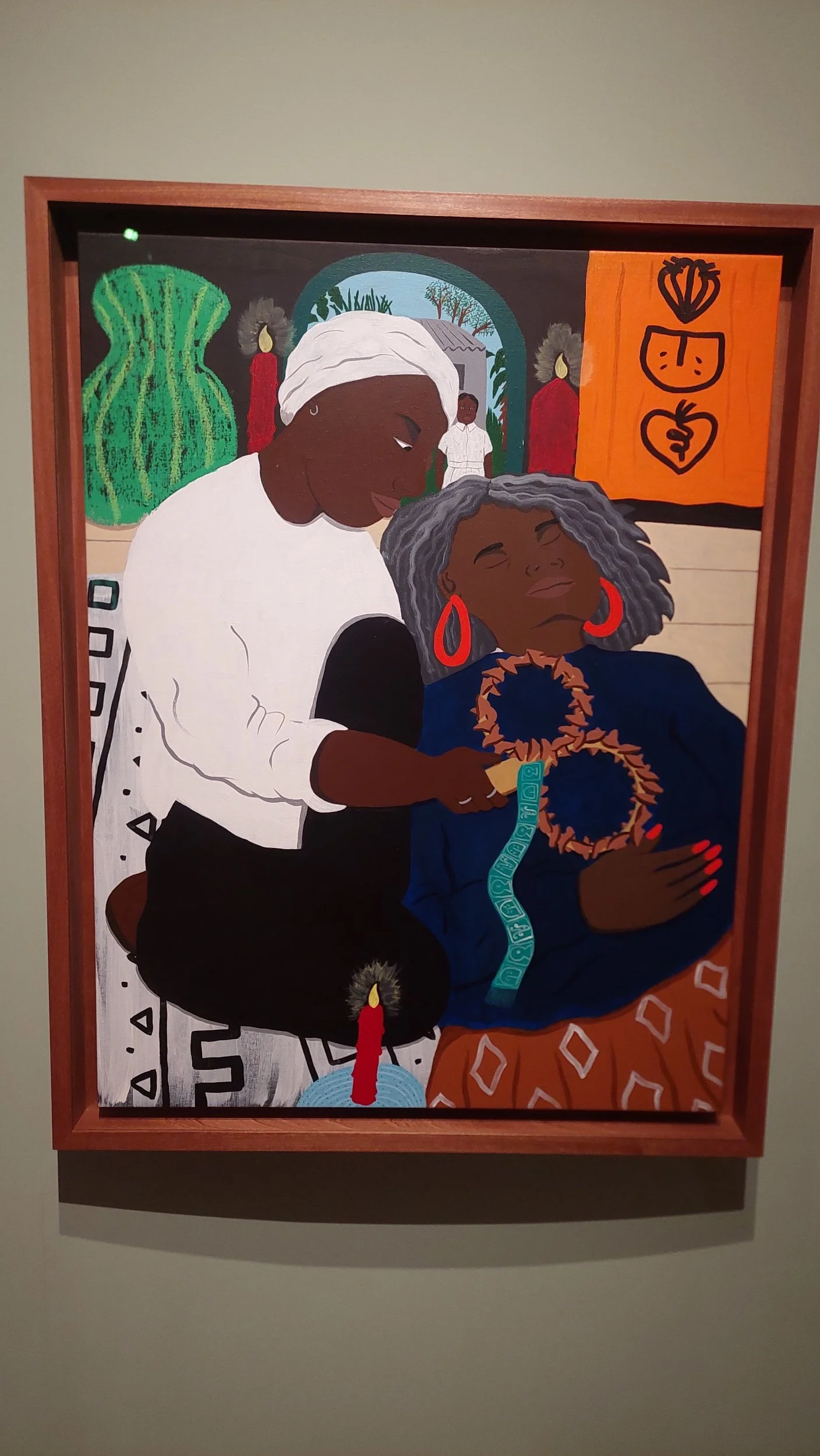
Similarly, Sister Rosetta Tharpe the "godmother of rock and roll", was a singer, songwriter, and guitarist, who influenced artists such as Johnny Cash, Jerry Lee Lewis and Elvis Presley. However, her work was largely overshadowed by male artists and she wasn’t inducted into the Rock and Roll Hall of Fame until 2018, forty-five years after her death.
AI “artists” like Sienna Rose may not be real but the people who create their profiles are very real and profiting from their music. One of the AI artists I found was linked to a producer in Russia. Music with historical and cultural significance is being mathematically simulated by people who may have no connection to that history but who have an incredible understanding of what will be popular - not just with the music but also the aesthetics of the album covers.
More Than A Feeling
The other reason why these songs were able to infiltrate my playlist was harder to admit. Quite simply, in my absent-minded listening, I liked the way the songs made me feel. Low effort for maximum pleasure. Gone are the days when you had to work for your music: visiting a store to buy a vinyl, tape or CD. Or waiting each week to watch Top of the Pops to see your favourite singer or band.
Algorithms now benefit not only from understanding the cultural patterns in music but also the scientific basis for why we enjoy music. Many of these songs employ what is described in music theory as the perfect fifth. An interval between two notes that creates a stable, harmonious sound. It produces a sense of comfort and is often used in nursery rhymes as an interval that babies most easily learn and recognise. (Bencivelli, 2011).
The tuning forks that I use during my Sound Healing sessions are C and a G (a perfect fifth) and they are used for grounding and relaxation.
So, the hit-makers are no longer executives in suits in skyscraper offices but people sitting in their bedrooms in their underwear. What is the real harm of AI music? Is it not simply a new form of creative expression?
Despite my ranting, I’m not entirely opposed to AI-generated music but I do feel this content needs to be clearly labelled. I would also suggest that people who profit from music in this way should invest some of that money into real artists or initiatives that support human creatives.
There are enough ears in the world to appreciate AI-generated and “real” music. My hope is that the proliferation of AI music will ultimately encourage real artists to make and perform real music. For me, live music will always win! Hearing live instruments, a band vibing off each other and the collective experience of a crowd cannot be replicated. That is where the soulless robots will fall short…for now.