To My 10 Year Old Self
I started writing diaries when I was 10 years old. Looking back now the content is more comical than anything else.- sibling rivalries, frenemies and the word "buff" appears way too much.
At the time, particularly when I was around 15 and 16, some issues would have signified the end of the world - nope, the end of the universe.
Thinking about that time has given me a renewed empathy for my nieces and nephews, or any young person, who is at that age or coming into that age. What you feel and experience is real and valid. There may be times that are painful and really embarrassing but you will also gain a strength and a deeper understanding of who you and where you want to be.
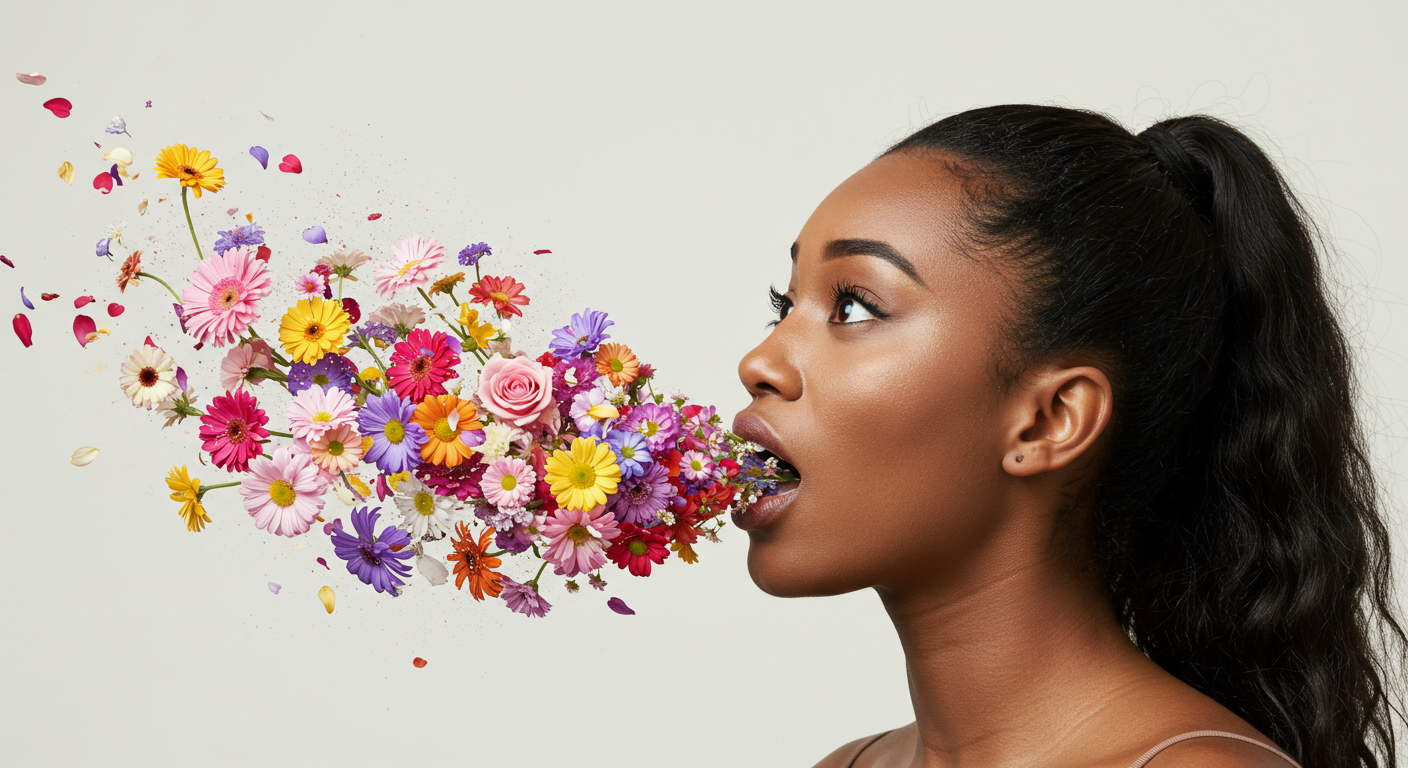
The more time I spend on this planet, the more I have come to really appreciate communication. I have also come to realise that good, clear communication is an underrated ability and underused skill. What causes us to miscommunicate and how do we improve our interactions?
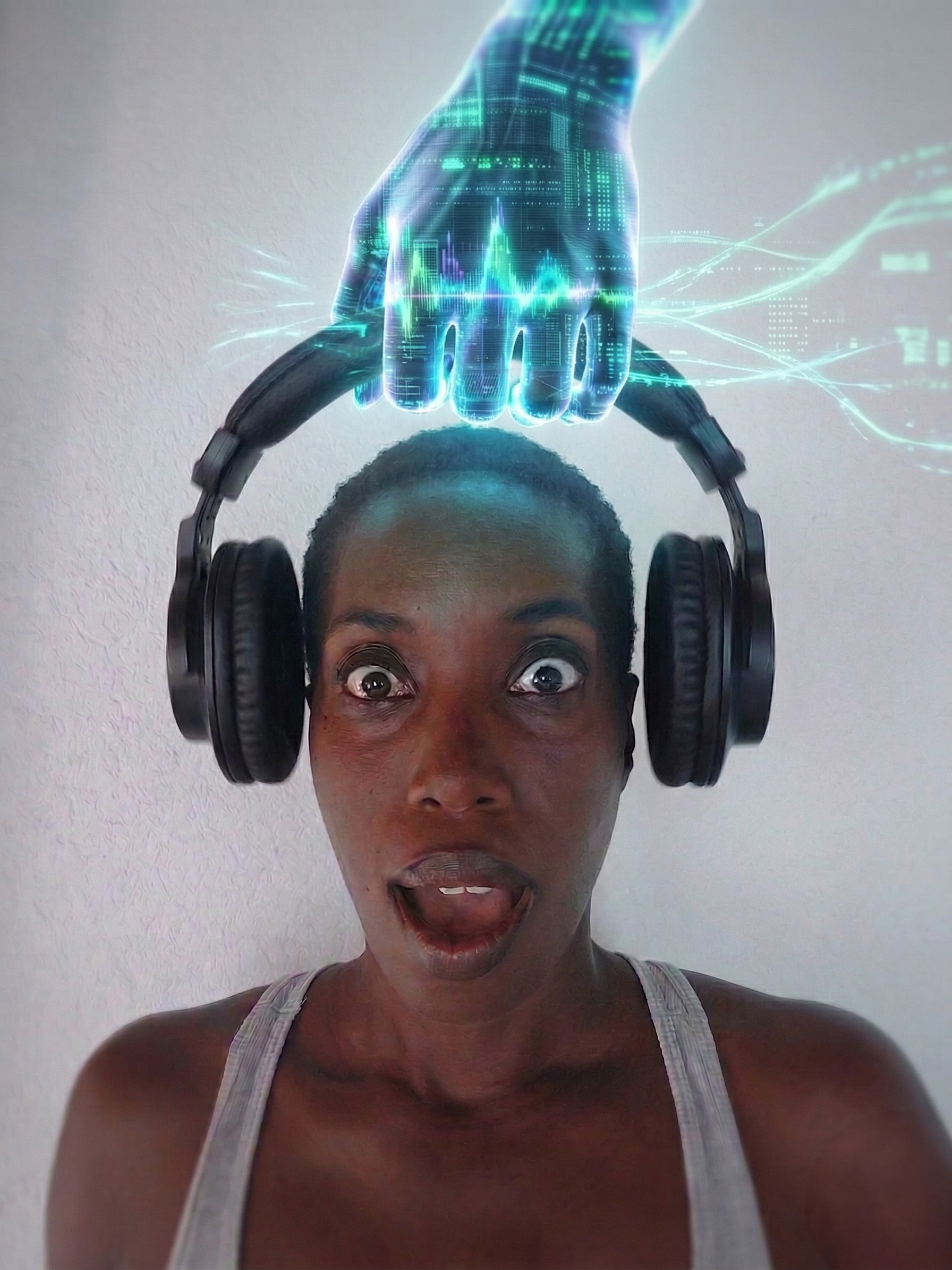
Sound is a profound tool for healing, relaxation, and transformation. From the resonance of singing bowls to the natural symphony of rustling leaves and flowing water, sound can calm the mind, release tension, and restore balance. Step into the world of sound healing and discover its transformative effects.
Autumn is a time start to reflect on shedding the things that the old, slowing down, and maintaining our health ahead of the winter months
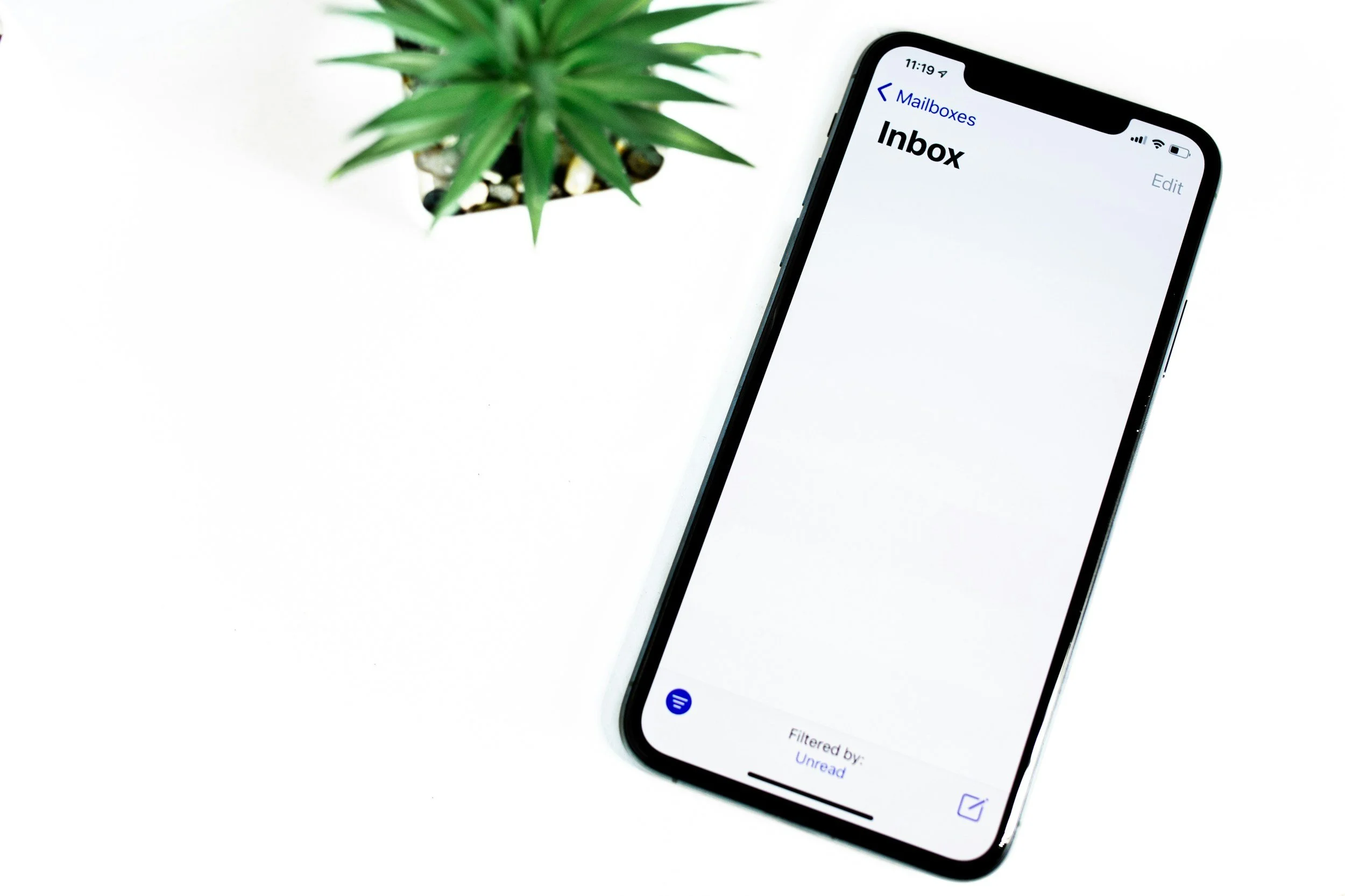
Google Calendar has several simple features that can be used to organise your day, help you focus and carve out time for self-care.
Is wellness only for those who can afford it, or is it something everyone deserves? This article explores the growing "wellness paywall" and uncovers how true wellness focuses more on balance, community, and simple joys than on luxury price tags.
Holistic health is an approach to wellness that considers the whole person – mind, body, and spirit – in the pursuit of optimal health and wellness. Unlike conventional medicine, which often focuses on treating symptoms and diseases, holistic health aims to address the root causes of health issues and promote overall well-being.
Emotional releases are an important and normal part of the treatment and healing process. However, they are often the thing we fear the most. How can our emotions help us to heal?
When trying to describe what happens during and after a Cranio-Sacral Therapy or Sound Healing session, I often tell people they may experience emotional releases. Before I can finish saying this is a normal part of the healing process, I can see people recoiling in horror. While it is not my intention to make my client’s cry or experience feelings of anger, these emotions are valid and when not expressed, can manifest in seemingly unrelated situations, or in physical patterns such as jaw clenching or digestive disturbances. Emotional releases can be incredibly insightful and help us to better understand patterns of behaviour that prevent us from moving forward with our relationships or goals.
Golf may look like a leisurely, non-strenuous way to pass the time, and for the most part, it is. However, many muscles and joints are used that may become prone to injury or strain over time. Common injuries include elbow tendinitis, rotator cuff or shoulder pain, knee pain and injuries to the wrists.
Cranio-Sacral Therapy is a gentle bodywork therapy that is used to treat a wide range of physical and emotional issues. The name comes from cranio - referring to the cranium or the skull, and sacral - referring to the sacrum bone at the base of the spine. The craniosacral system consists of the structures of the central nervous system (CNS) —the brain, the spinal cord, as well as the membranes and fluids that surround and protect these structures. Within these structures is found a clear fluid known as cerebrospinal fluid which supplies nutrients to the CNS and flows from the cranium to the sacrum. Here are a few ways in which Cranio-Sacral Therapy may support you no matter where you are on the road to becoming the next LPGA or PGA champion.
Rest has become my word of the year. In a culture that glorifies constant doing, many of us are tired yet struggle to stop. This piece explores what happens when productivity starts to cost us our health, clarity and connection, and why rest is not indulgence but essential maintenance.