
What is Holistic Health?
Holistic health is an approach to wellness that considers the whole person – mind, body, and spirit – in the pursuit of optimal health and wellness. Unlike conventional medicine, which often focuses on treating symptoms and diseases, holistic health aims to address the root causes of health issues and promote overall well-being.

The Healing Potential of Emotional Releases
Emotional releases are an important and normal part of the treatment and healing process. However, they are often the thing we fear the most. How can our emotions help us to heal?
When trying to describe what happens during and after a Cranio-Sacral Therapy or Sound Healing session, I often tell people they may experience emotional releases. Before I can finish saying this is a normal part of the healing process, I can see people recoiling in horror. While it is not my intention to make my client’s cry or experience feelings of anger, these emotions are valid and when not expressed, can manifest in seemingly unrelated situations, or in physical patterns such as jaw clenching or digestive disturbances. Emotional releases can be incredibly insightful and help us to better understand patterns of behaviour that prevent us from moving forward with our relationships or goals.
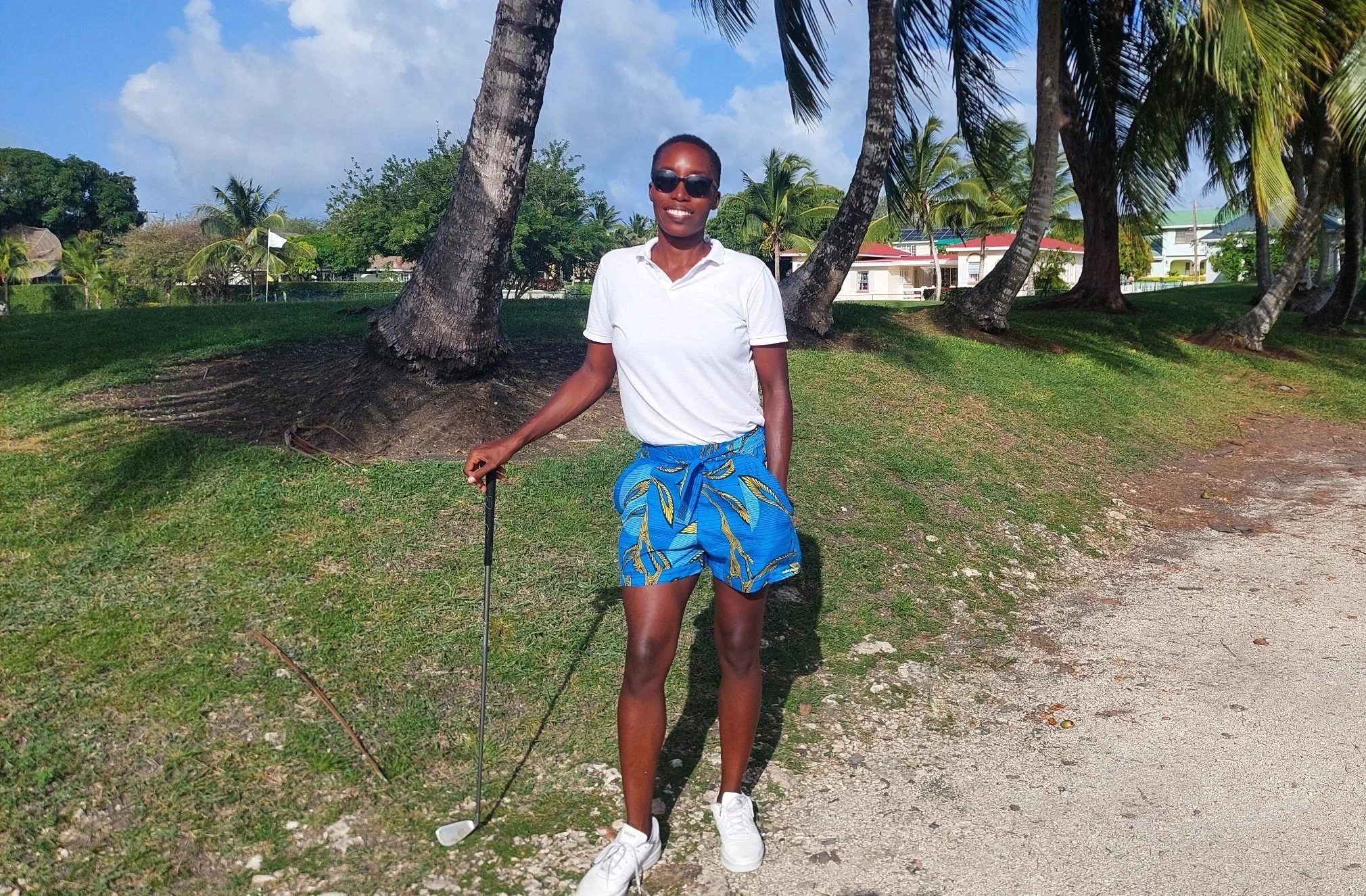
Cranio-Sacral Therapy and Golf
Golf may look like a leisurely, non-strenuous way to pass the time, and for the most part, it is. However, many muscles and joints are used that may become prone to injury or strain over time. Common injuries include elbow tendinitis, rotator cuff or shoulder pain, knee pain and injuries to the wrists.
Cranio-Sacral Therapy is a gentle bodywork therapy that is used to treat a wide range of physical and emotional issues. The name comes from cranio - referring to the cranium or the skull, and sacral - referring to the sacrum bone at the base of the spine. The craniosacral system consists of the structures of the central nervous system (CNS) —the brain, the spinal cord, as well as the membranes and fluids that surround and protect these structures. Within these structures is found a clear fluid known as cerebrospinal fluid which supplies nutrients to the CNS and flows from the cranium to the sacrum. Here are a few ways in which Cranio-Sacral Therapy may support you no matter where you are on the road to becoming the next LPGA or PGA champion.

Cranio-Sacral Therapy for Couples
Embark on a rejuvenating journey together with a couples' Cranio-Sacral Therapy guided session, where harmony and connection take centre stage.


What to expect from a Cranio-Sacral Therapy Session
Although Cranio-Sacral Therapy is a very gentle modality, it takes a different approach to many other therapies and this can be quite daunting for some people who haven't experienced it before. With that in mind, I have answered some of the commonly asked questions about the CST treatment process.

Cranio-Sacral Awareness Week Reflections
And just like that Cranio-Sacral Therapy Awareness Week comes to a close.

Heart to Heart
There are hundreds of stories around the world of couples, happily married for decades who, in old age, die within hours or days of each other. Take for example the case of Judy and Will Webb from Michigan who, at the age of 77, started to experience almost identical severe health issues. The couple who had been married for 56 years eventually died in hospice care on the same day from their illnesses. There are also similar cases of non-romantic pairs such as Carrie Fisher and her mother Debbie Reynolds. On 27th December 2016, Carrie Fisher died following a cardiac arrest. The following day her mother Debbie Reynolds, who she had an intense but close relationship with, died of a brain haemorrhage. Following their deaths, Reynolds son Todd Fisher said, “she wanted to be with Carrie”.
In the 1990s, Japanese scientist Dr Hikaru Sato began to identify signs and symptoms similar to a heart attack in people, usually women, who had recently experienced acute emotional stress. The condition became known as taktsubo cardiomyopathy, stress cardiomyopathy or broken heart syndrome. Although this condition is reversible and rarely results in death, bereavement or grief can cause serious physiological changes, some of which may be fatal. During times of increased stress, such as the death of a loved one, the body mounts an acute stress response including a surge of adrenaline, increased heart rate and blood pressure and reduced immune function. This may last for 6 months or a number of years. What is it that can cause a couple or close loved ones to die within hours or days of each other? The answer may not be taktsubo cardiomyopathy but it may still lie in the heart.

The Sacral Space
When we say ‘cranio-sacral’, a literal definition would be referring to the head or the skull ‘cranio’ and the base of the spine or the sacrum ‘sacral’. Cranio-Sacral Therapy focuses on all the bits in between and around, including the limbs, the organs, the nervous system, etc. The sacrum lies at the base of the spine and is made up of five vertebrae that are fused by adulthood. It provides support to the spine and strength and stability to the pelvis and therefore helps to anchor us when we are seated, and is vital to our posture and the way in which we walk and explore the world around us.

The Emotional Body
Psychoneuroendocrinology may sound like something straight out of a sci-fi movie but it is the interdisciplinary approach to “psycho” – psychology, psychiatry; “neuro” – neurology, neurobiology; and “endocrinology” – the study of our hormones. In a nutshell, the way in which our thoughts and emotions can affect our nervous, endocrine, immune systems and overall physiology. It is the butterflies we feel in our stomach before taking an exam or the racing heart when we see someone we are attracted to.
Psychoneuroendocrinology is a fairly new discipline that fuses together a range of health sciences that had previously overlooked the significance of the emotions in the onset, deterioration or improvement of disease. Stressful triggers, or our inability to adequately process them can be indicated in cases of asthma, eczema, digestive disorders and cancer.
One of the interesting things about this branch of medicine is that it helps us to understand, not only the way our emotions affect our own bodies, but also how our emotions can affect or be affected by others. For example, the hormone oxytocin is produced during breastfeeding. This conditioned response, the oxytocin reflex or “letdown reflex” may be produced when a nursing mother hears her baby cry or thinks about her baby. If the nursing mother is emotionally overwhelmed or in pain, the reflex may stop.