Stress Awareness Month
April is Stress Awareness Month. Stress may affect us all at some point in our lives or we may know someone who has experienced episodes of stress. The way in which stress manifests can vary significantly from headaches, digestive disturbances, chest pain, insomnia, jaw tension. Long term stress may cause or exacerbate chronic health conditions such as heart disease, irritable bowel syndrome or fibromyalgia.
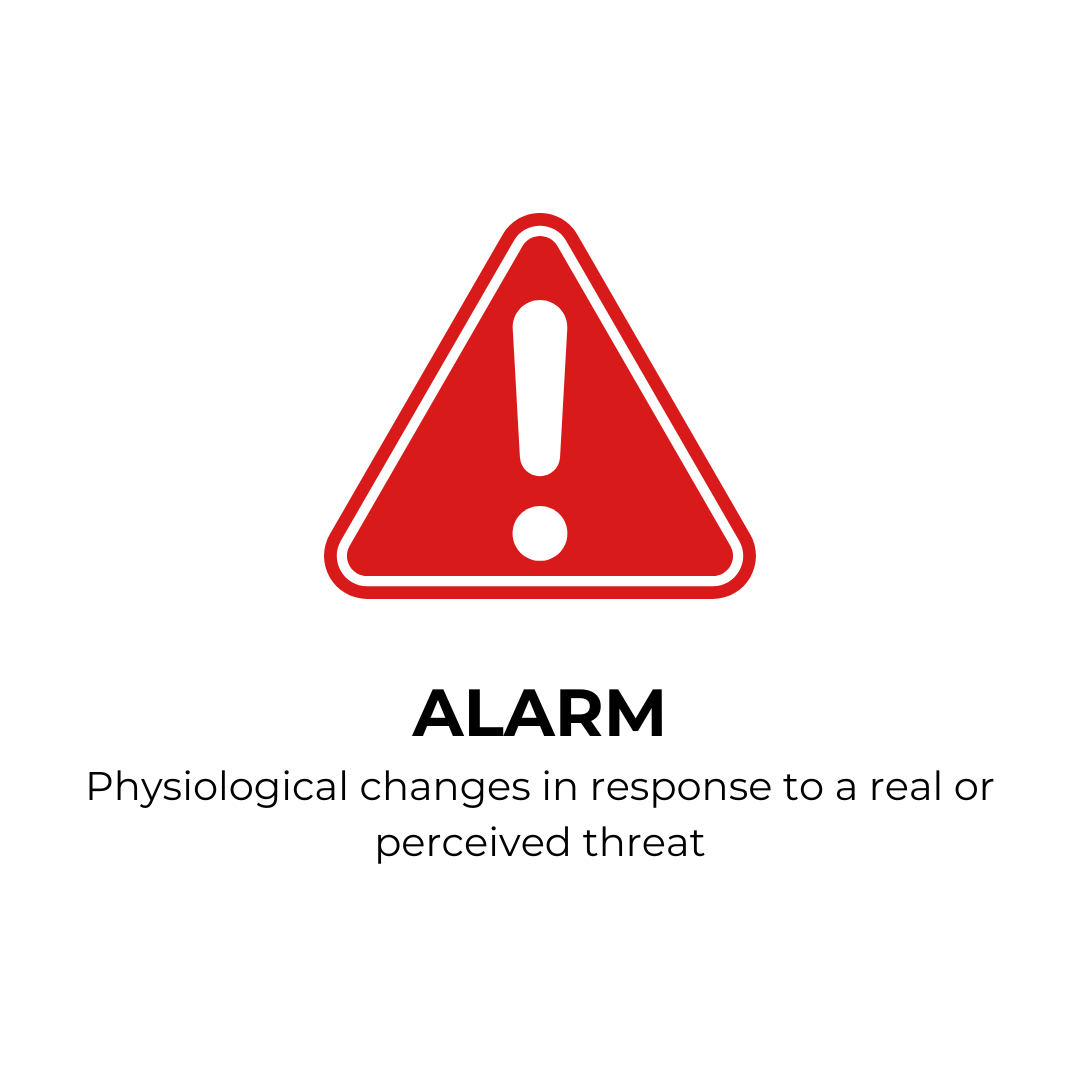
The term ‘stress’ comes from physics and refers to the magnitude of force exerted on an object that causes deformation. The term was borrowed by the physician Hans Selye who applied the principle to effects of stress on the body. Selye proposed that stress is "nonspecific response of the body to any demand placed upon it to adapt, whether that demand produces pleasure or pain." Stress is the inability to cope with a perceived or real threat to our physical, emotional, or mental health, our well-being, financial stability, etc. The resulting stress response or fight, flight and freeze response includes increased heart rate, reduced digestive function, increased blood sugar levels and increased breath rate.
The General Adaptation Syndrome (GAS) highlights the various stages the body goes through following exposure to a stressor. Prolonged exposure can lead to chronic health conditions, depression and an impaired immune system.
Identifying triggers
Many of us can identify when we might experience episodes of stress – after a busy week at work, Christmas, around exam time. By pinpointing these times, we can ensure to have tools in place to support our mental and physical health.
Adapting to stress
Living without stress in our lives is impossible and we don’t necessarily want to. As mentioned, the stress response can occur during events in which we find pleasure – the birth of a child, a first date. Once we identify stressors, we can develop tools to cope with the stress response.
No (wo)man is an island
No one should have to face dealing with stress by themselves. Although it may manifest differently in each person, stress can lead to overwhelming feelings of isolation, particularly if we do not feel heard or understood. Developing a strong support network of people you can trust may be invaluable.
30-Day Self-Care Journal
While we can’t remove all of the stressful triggers out of our life, we can change our response to them. This 30-Day Self-Care Journal is filled with daily reflections, prompts and activities to nurture your mind, body, and spirit.

The more time I spend on this planet, the more I have come to really appreciate communication. I have also come to realise that good, clear communication is an underrated ability and underused skill. What causes us to miscommunicate and how do we improve our interactions?
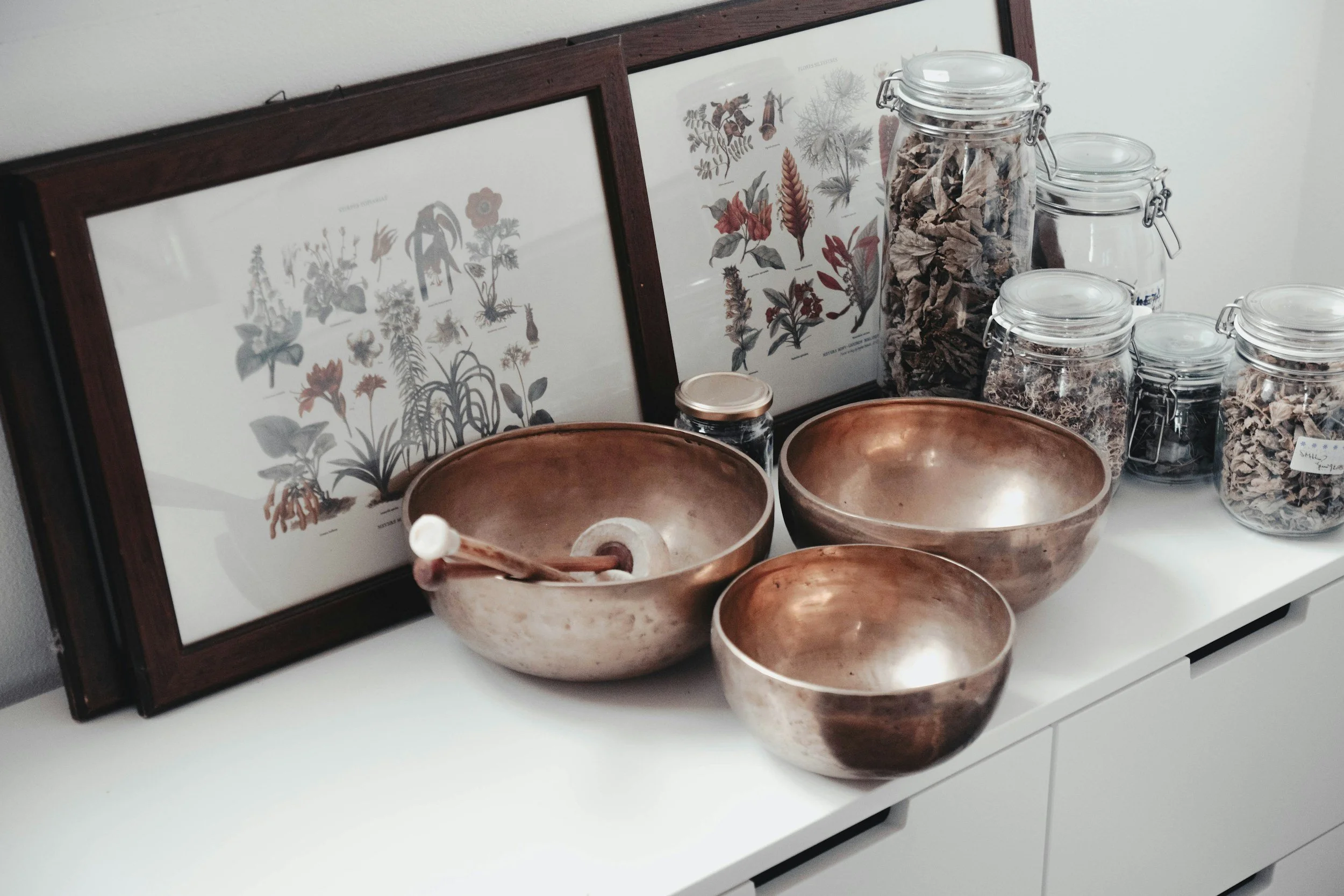
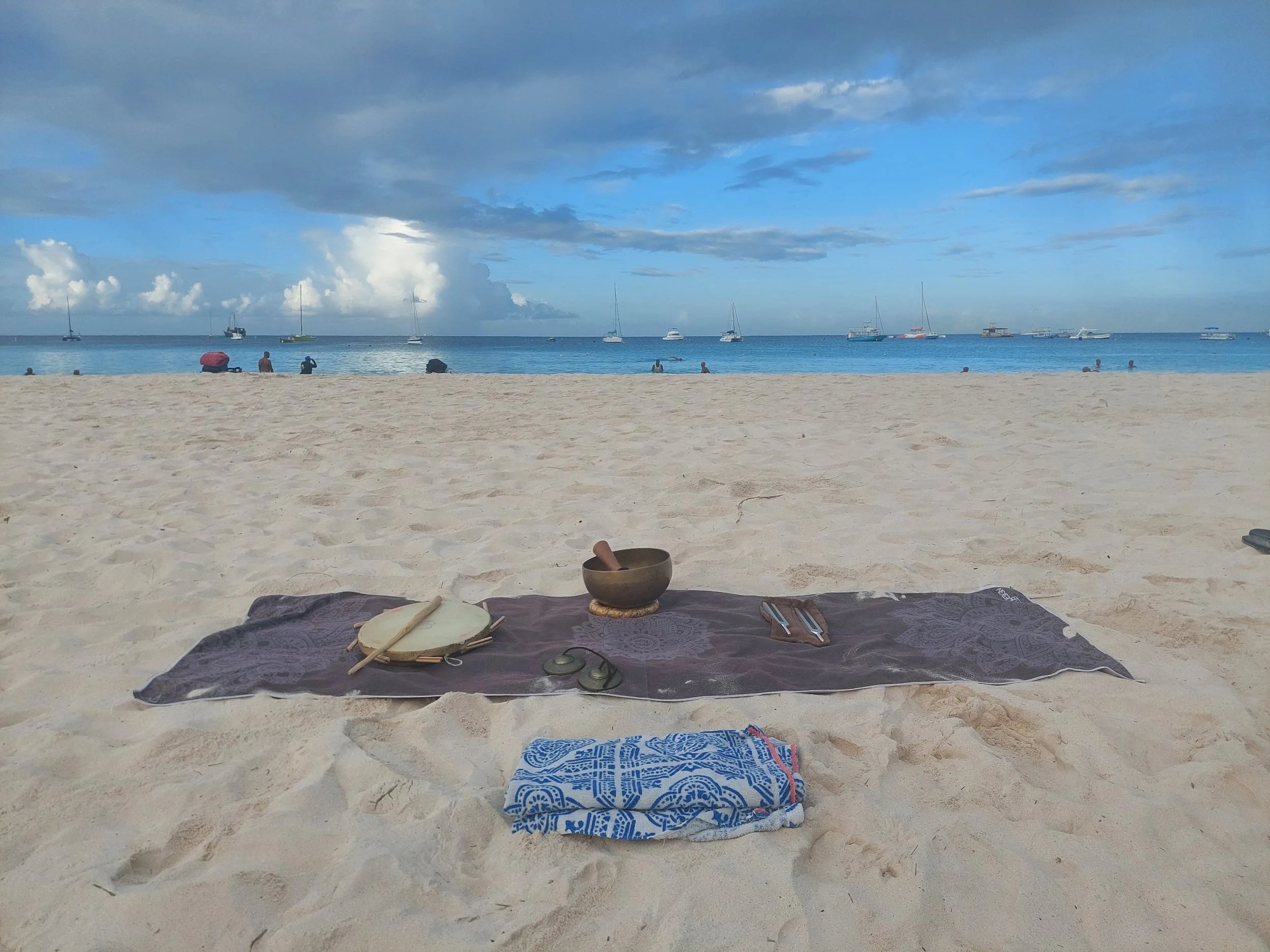
Sound is a profound tool for healing, relaxation, and transformation. From the resonance of singing bowls to the natural symphony of rustling leaves and flowing water, sound can calm the mind, release tension, and restore balance. Step into the world of sound healing and discover its transformative effects.
Autumn is a time start to reflect on shedding the things that the old, slowing down, and maintaining our health ahead of the winter months
Google Calendar has several simple features that can be used to organise your day, help you focus and carve out time for self-care.
Is wellness only for those who can afford it, or is it something everyone deserves? This article explores the growing "wellness paywall" and uncovers how true wellness focuses more on balance, community, and simple joys than on luxury price tags.
Holistic health is an approach to wellness that considers the whole person – mind, body, and spirit – in the pursuit of optimal health and wellness. Unlike conventional medicine, which often focuses on treating symptoms and diseases, holistic health aims to address the root causes of health issues and promote overall well-being.
Emotional releases are an important and normal part of the treatment and healing process. However, they are often the thing we fear the most. How can our emotions help us to heal?
When trying to describe what happens during and after a Cranio-Sacral Therapy or Sound Healing session, I often tell people they may experience emotional releases. Before I can finish saying this is a normal part of the healing process, I can see people recoiling in horror. While it is not my intention to make my client’s cry or experience feelings of anger, these emotions are valid and when not expressed, can manifest in seemingly unrelated situations, or in physical patterns such as jaw clenching or digestive disturbances. Emotional releases can be incredibly insightful and help us to better understand patterns of behaviour that prevent us from moving forward with our relationships or goals.
Golf may look like a leisurely, non-strenuous way to pass the time, and for the most part, it is. However, many muscles and joints are used that may become prone to injury or strain over time. Common injuries include elbow tendinitis, rotator cuff or shoulder pain, knee pain and injuries to the wrists.
Cranio-Sacral Therapy is a gentle bodywork therapy that is used to treat a wide range of physical and emotional issues. The name comes from cranio - referring to the cranium or the skull, and sacral - referring to the sacrum bone at the base of the spine. The craniosacral system consists of the structures of the central nervous system (CNS) —the brain, the spinal cord, as well as the membranes and fluids that surround and protect these structures. Within these structures is found a clear fluid known as cerebrospinal fluid which supplies nutrients to the CNS and flows from the cranium to the sacrum. Here are a few ways in which Cranio-Sacral Therapy may support you no matter where you are on the road to becoming the next LPGA or PGA champion.
Mercury in retrograde gets a bad rap and causes many people to retreat into their homes. Do we need to take a step back and rethink how we view this chaotic time?
April is Stress Awareness Month. Stress may affect us all at some point in our lives. What is it and what tools can we put in place to reduce its effects?
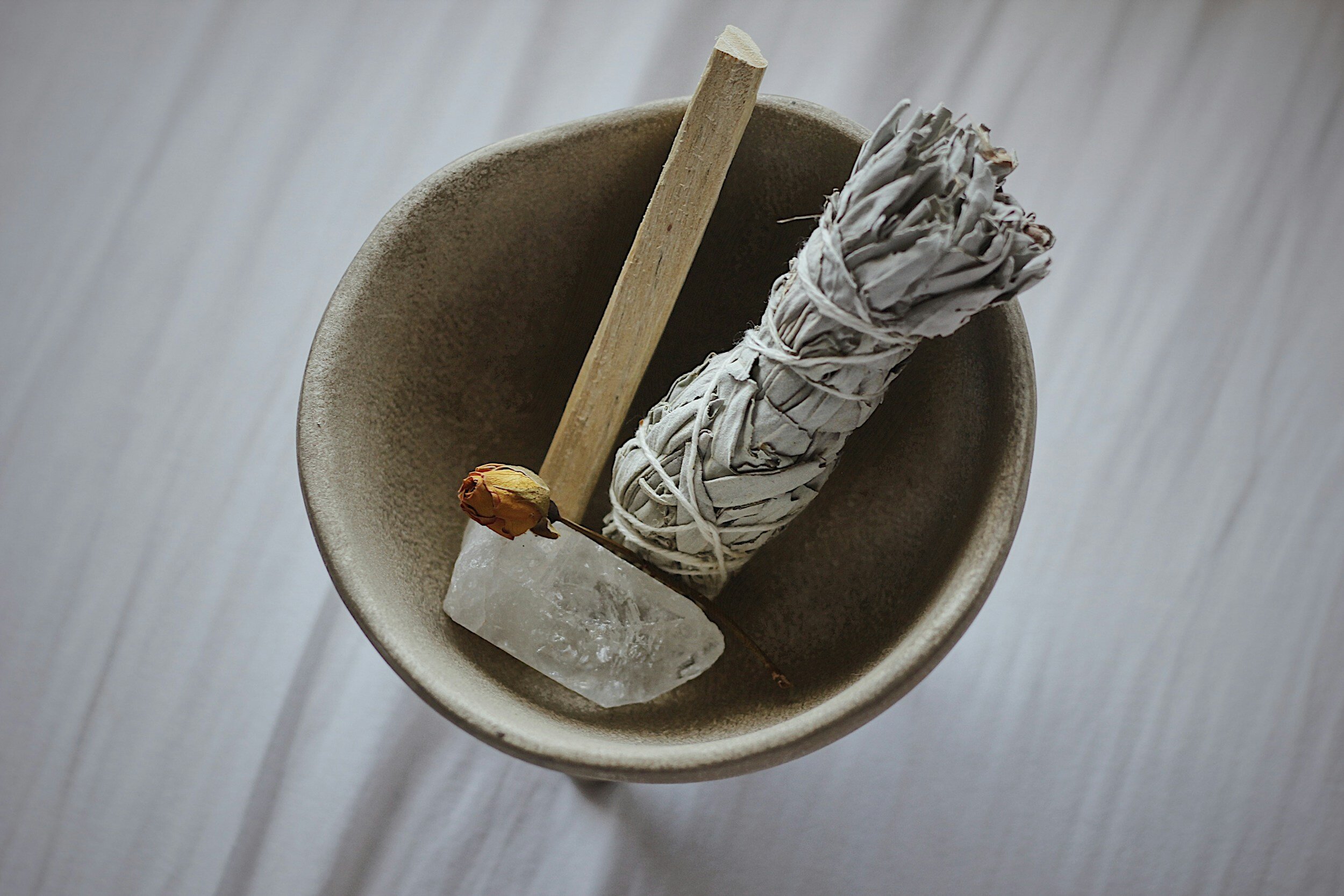
Spiritual hygiene refers to practices and rituals that help maintain and cleanse your spiritual well-being. Just as we nourish our mental and physical health, so too can we take care of our spiritual health to reduce fatigue, a depleted nervous system, the susceptibility to recurrent colds or other illnesses, and burnout.
Over the years, my spiritual hygiene practice has evolved and I use various tools so I can adapt accordingly to the situation or any time constraints.
Spiritual hygiene is particularly important for people who work closely with clients in a therapeutic setting, such as massage therapists or energy healers. However, the following tools can be employed by anyone as they navigate the day to day challenges of life or if you are embarking on a healing journey.
Embark on a rejuvenating journey together with a couples' Cranio-Sacral Therapy guided session, where harmony and connection take centre stage.
Sound healing is the ability of sound to heal elements of ourselves that are in imbalance. Discover what to expect from a Sound Healing session.
Sound healing is the ability of sound to heal elements of ourselves that are in imbalance. Sound healing dates back to prehistoric times. In ancient mystery schools of Egypt, Greece and India, the use of sound and music for healing was a highly developed sacred science (Goldman and Sims 2015). Many instruments or tools can be used in sound healing, including the voice, through toning or chanting, to balance the physical body, chakras and subtle bodies (Andrews 1992). In a therapeutic setting, a practitioner works with a client to address physical and emotional issues and helps to facilitate healing.
How does Sound Healing work?
The Big Bang Theory suggests that 13.8 billion years ago, the universe started from a singularity, then expanded to become the cosmos we know today. Despite its name, scientists suggest that the “Big Bang” was in fact silent as the early universe was too energetically dense and there was no recognisable matter as we know it to allow sound to be propagated. Over the next 380,000 years, as the universe continued to expand and cool forming galaxies, and primordial sound waves were formed. Primordial sound would likely have been a very powerful but low frequency. Around 4.6 billion years ago when the Earth is thought to have been formed, there was an abundance of sound. The earth surface cooled, the rains fell forming oceans and creatures evolved.
It was TIME to take some time off. This staycation retreat was just what this practitioner ordered…and needed.
I love myself.
That is not the end of the story. It sure as hell isn't the beginning of the story.
Mental illness is often regarded as an "invisible" illness because symptoms may not be easily visible to others. However, the effects of mental illness within the community are far from invisible.
In response to ‘Lashes outdated way to punish children’ https://www.nationnews.com/2023/05/21/lashes-outdated-way-punish-children/
A controversial one but a much needed conversation. Even though I grew up in the culture of scbigystcf, (If you get that, you get it!) I don't believe in physical punishment for children. My reasons are plentiful but as brief as I can explain:
Can you guarantee the "lash" will be the same strength each time? Or, after the car breaks down, a busy day at work, a stain on your favourite top and an argument with your partner, will the lash have a bit of weight behind it?
Do you find you have to give lashes for repetitive behaviours? Maybe, just maybe the lashes are not as effective as believed to be. The child may wince at the sight of a slipper but it begs the question does the child really understand why they are getting hit? Is the lash accompanied by a discussion - is the child required to give words of accountability for their behaviour? Are they taught or given the tools to develop emotional intelligence or conflict resolution? If not, it is likely the behaviour will be repeated.
My happy face outside the Barbados Museum and Historical Society
There were many interesting artefacts and paintings that would require another visit to take it all in. However, the thing that captured my attention the most was the Black anatomical model in the medical section of the Children’s Gallery.
Throughout studying for my herbal medicine degree, and the other courses I have done over the years, I have never seen a Black anatomical model. You may be thinking, “but Louise, the structures and the organs are the same”, and of course you would be right but there was something more important for me.
Patience is considered to be one of the Seven Capital Virtues. However, how practical is it to be patient every day?
Over the last few months, there have been a lot of posts online and reports in the news of violence. CCTV footage of shootings are becoming a common occurrence. The scenes are very disturbing and the language used around them, I feel, pulls us further away from understanding the root causes and therefore the ability to find solutions.
“Gun violence” or “knife crime” are ambiguous terms that place the emphasis on the object and almost suggest that if those items were not available that the violence would not occur. As seen in many of the comments online, people are questioning where the guns are coming from, calling on the police and the army to have a greater presence or advocating for the death penalty.
It is terrifying that these things are happening on this small island, often in broad daylight but when I see the reports and videos, I see people who are in a huge amount of pain - and I don’t just mean the people whose loved ones have been killed and whose families have been torn apart, I mean the people who are killing and committing violent acts.
Rest has become my word of the year. In a culture that glorifies constant doing, many of us are tired yet struggle to stop. This piece explores what happens when productivity starts to cost us our health, clarity and connection, and why rest is not indulgence but essential maintenance.