A Holistic Health Practitioner and a Business Operations Manager walk into a bar: Bridging the gap between corporate and well-being
For over 17 years, my work has bridged the gap between supporting businesses through operations and helping individuals with complementary therapies. I have worked in telecommunications, customer service and luxury retail. My clients and projects have included corporate finance, non-profits, media, communications and PR.
For many years, I would often try to keep these two worlds separate for fear of being seen as too hippyish by one or too corporate by the other. It felt like I was having an affair and trying to keep one from finding out about the other. My dirty little secret.
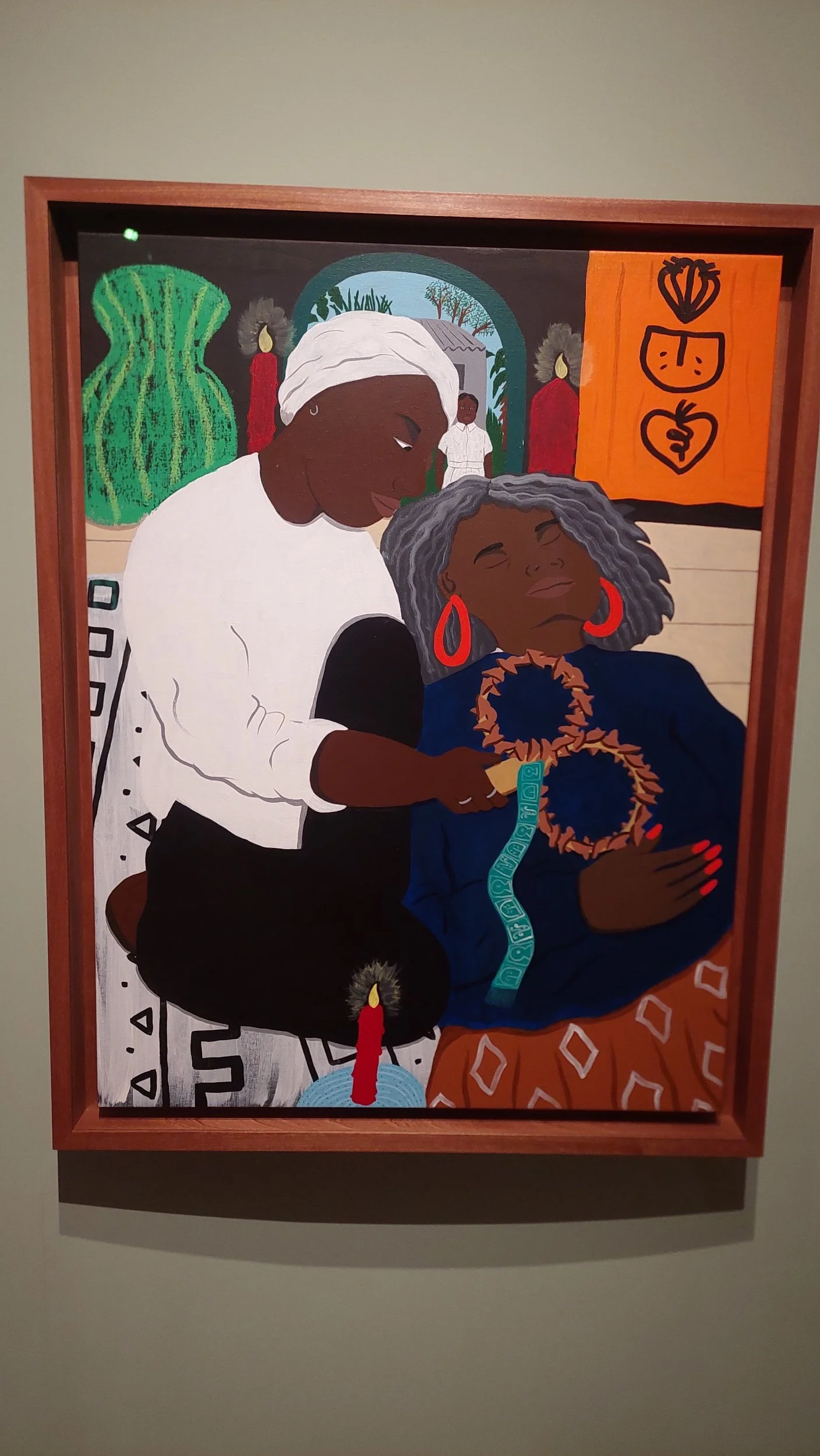
It took me a while to accept that the two worlds did not need to be separate and that having this insight was actually one of my biggest strengths. My foundation is a health science BSc degree, specialising in Herbal Medicine. Some of the key features of this training are to be able to approach an individual holistically, looking at all aspects of their life. We explore the different systems of the body and see if there are areas that are depleted, overactive or not communicating effectively with other areas of the body. We then devise a treatment plan to address the issues.
With business clients, the same thing happens. I take a bird’s eye view of the organisation, the company or project and identify bottlenecks and operational issues that might be hindering effective communication or workflows, for example.
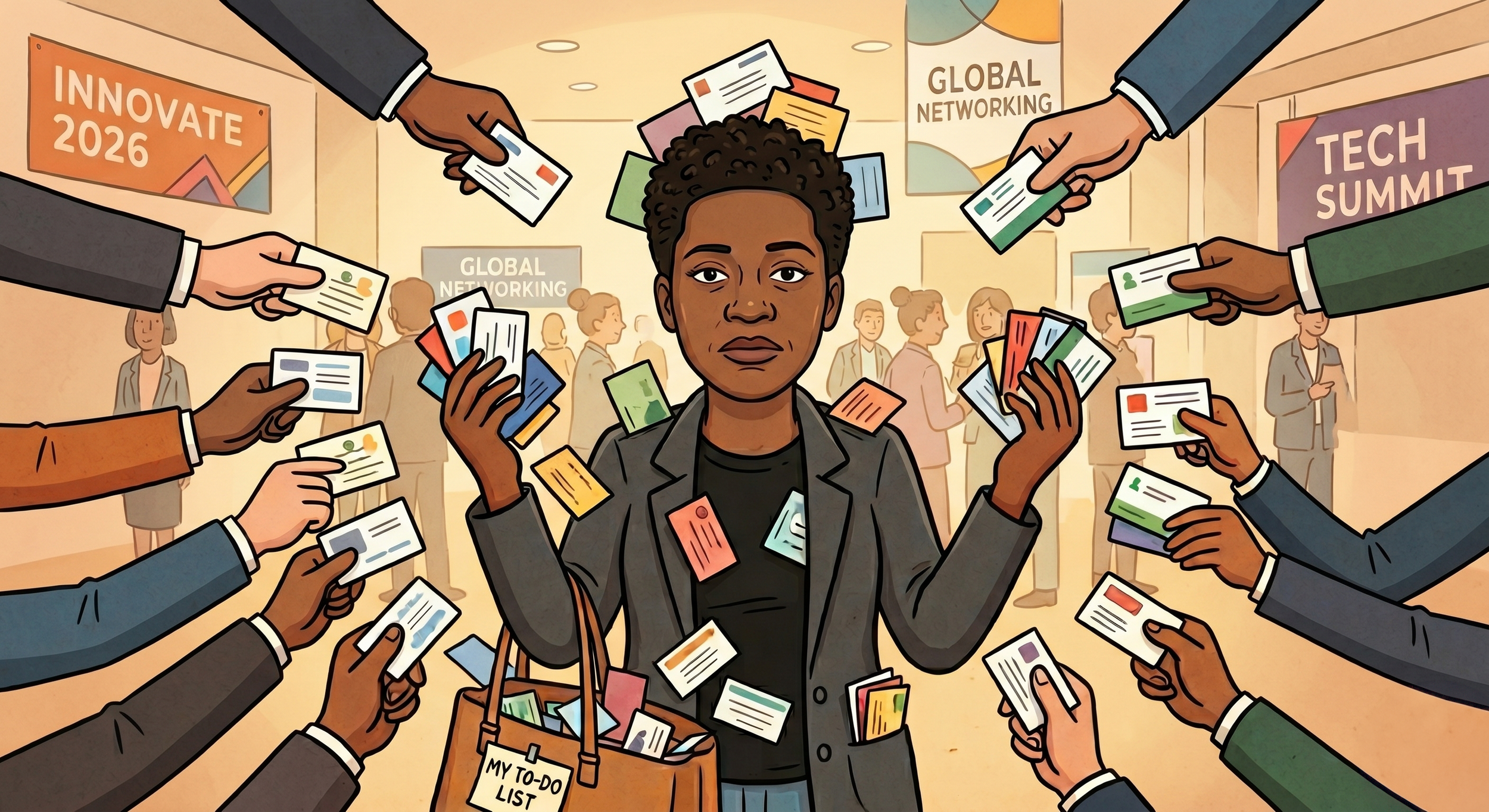
Another advantage of having this approach is that it enables me to identify and plan for the capacity of an individual or organisation. Not simply the capacity of an organisation to provide resources or create systems but what an individual can sustainably handle within those systems. Employee or team physical and mental well-being is fundamental. Excessive workloads and inadequate resources significantly contribute to burnout - extreme physical, emotional and mental exhaustion caused by prolonged stress.
Although statistical reporting on burnout is limited in Barbados, there are reports from various agencies that suggest this is becoming a significant problem. During the Caribbean Teachers Talk conference in April 2026, educational leaders and health experts warned that, “Caribbean teachers are burning out at an alarming rate — and the profession may not survive it.”
Earlier this year, Dr Maisha Emmanuel, chair of the National Mental Health Commission cautioned that “Too many Barbadian workers are struggling with excessive workloads, long hours, workplace bullying, lack of support, and job insecurity,” she went on to say, “These psychosocial hazards are as real and dangerous as any physical hazard, and they must be addressed with the same seriousness and urgency.”
Well-being initiatives should be incorporated into an organisation in an intentional and strategic way. Having casual Fridays is pointless if your manager sends you five emails ten minutes before you are due to finish. Well-being cannot be an afterthought or a tick box exercise. It must address how operations are designed and managed. After years of fighting it, It is clear that I should never have seen these spaces as two different worlds but rather two approaches informing the other. One bringing a perspective on outcomes and structure and the other informing human capacity and sustainability. An opportunity to build operations with human capacity embedded in their design.
References
Barbados Today: Teaching ‘on empty’: Systemic change demand amid ‘burnout crisis’https://barbadostoday.bb/2026/04/15/teaching-on-empty-systemic-change-demand-amid-burnout-crisis/
Barbados Today: Mental health key to workplace safety — NMHC
https://barbadostoday.bb/2026/04/28/mental-health-key-to-workplace-safety-nmhc/amp/